Treasurers don’t only manage cash, they manage relationships. And when implementing complex technical projects, it’s often crucial to get support from other colleagues in the organisation who have a vital role to play, but who may not – initially, at least – have the same buy-in as treasury. So how do treasurers get that support and get the best out of those relationships, which can make all the difference between success and failure?
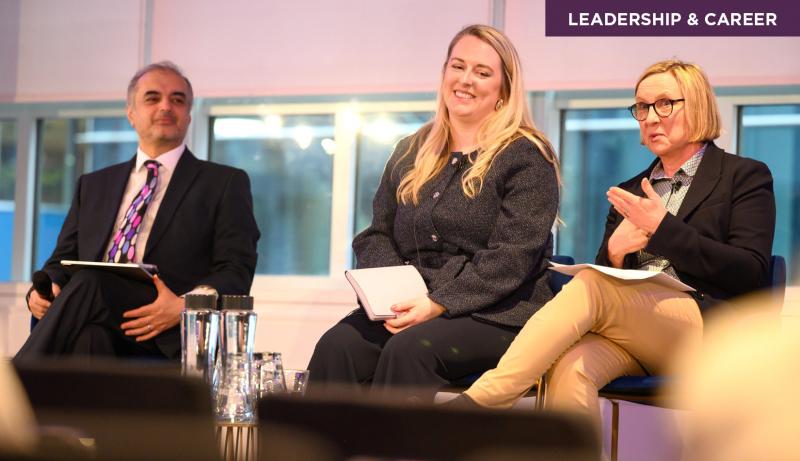
Getting people onboard is essential, says Olivia Hall (above, centre), treasury manager of Weir Group, speaking at the recent ACT Cash Management Conference. Her team is in the process of implementing an in-house bank virtual account project, reducing the number of physical bank accounts the group has around the world from around 600 in 40 banks and rationalising as much as possible.
Explaining the ‘why?’ to others within the organisation and securing buy-in for cash management priorities is just as critical as technical expertise, she says. Soft skills, including relationship building and influencing other functions within the organisation, are critical.
“It's not just a treasury team that is working behind the scenes to get this in place,” Hall says. Instead, it’s a collaborative approach between all of the stakeholders, including IT, shared services, treasury, finance, tax and legal teams. “It involves a number of stakeholders within the business, IT in particular, that is integrating it into our ERP systems and making sure that it is seamless for our shared services team.
“On top of that, we are obviously informing our customers, so there’s change management. There’s a lot of governance and protocols that we need to go through in order to make sure that we're rolling this out not only efficiently, but also in a secure manner,” she says. “It’s a global project, but within that there are so many different work streams and we are interacting with many different stakeholders across the business.”
In a scenario where there are conflicting objectives between treasury and another part of a business, good communication and relationships are key
Bente Salt (above right), group treasurer of Rentokill, also emphasises the benefit of bringing in colleagues to help them get a better understanding of how treasury is working for the wider business, and the rationale behind its strategy.
“It’s important that the organisation understands some of the [treasury goals and cash management] strategy,” Salt says. “We have regional finance director meetings where I’ll present something around cash management just so that the people who are coming into the organisation understand the pressures. And if we are doing any refinancing, we’ll involve some people from outside of the immediate treasury group, just so people in different parts of the organisation get an understanding of what we’re doing.”
In a scenario where there are conflicting objectives between treasury and another part of a business, good communication and relationships are key. However, Salt says, ultimately, it’s essential that everyone understands that regulatory and cash management requirements are prioritised to ensure that treasury controls remain in place, even if/when alternative solutions are implemented.
Developing soft skills is therefore essential. “The ACT exams are where you get a lot of your tech skills; and then you apply these to your job and over time you build on the influencing skills,” Salt says.
Hall agrees that focusing on soft skills is essential for developing relationships and ensuring treasury influence. “Soft skills for me is being keen and interested in asking those vital questions,” she says. “There should never be such a thing as a stupid question. Everyone should be asking about everything – and also planning ahead.”
Phil Lattimore is a business journalist